
"We don't sell. People buy from us."
IndustrySep 24, 2026By Francisco Escobar4 min read
Two months of conversations with Chilean luxury hotels and suppliers, and a map of the three stages they fall into, from no commercial team at all to paying a quarter of revenue for trips they can't assemble.
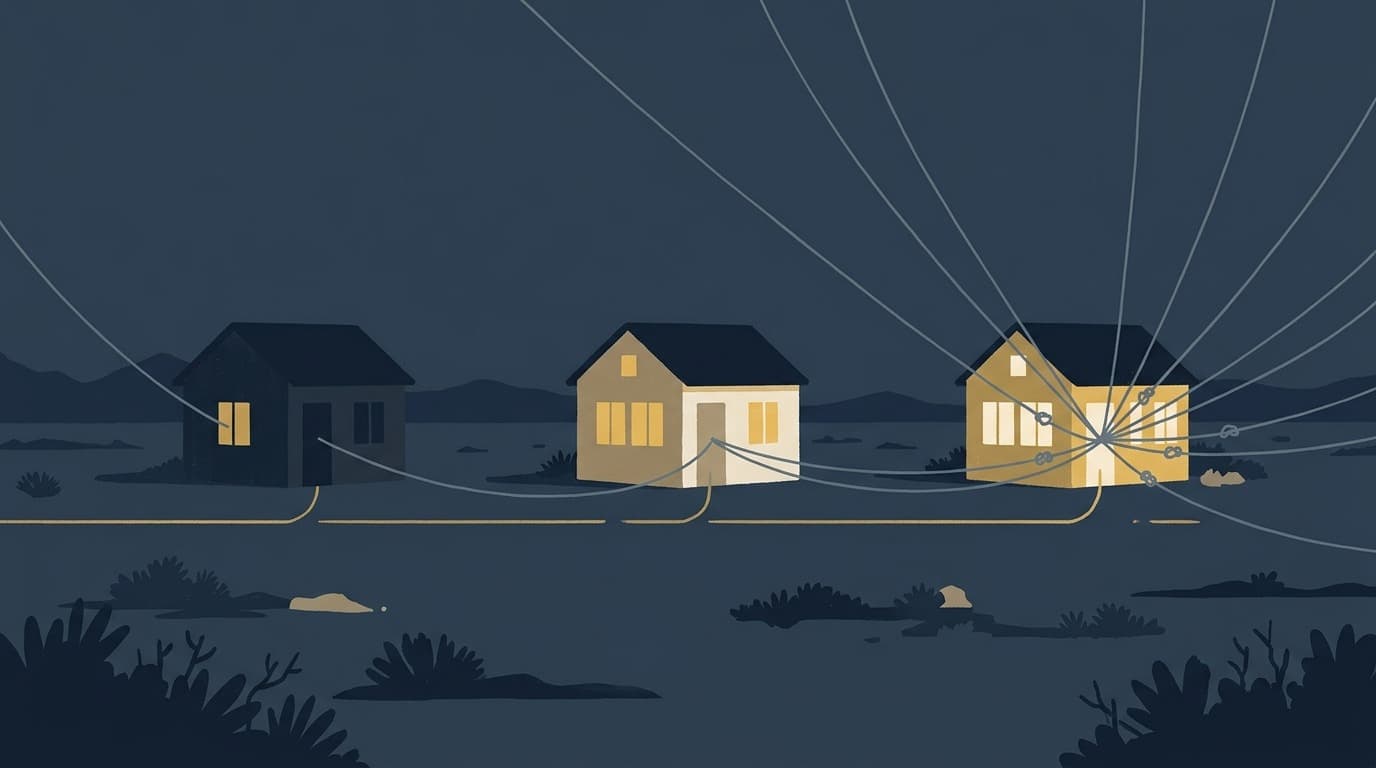
| Stage 1, emerging | No commercial team | Leans on OTAs for visibility |
|---|---|---|
| Stage 2, developing | One or two salespeople | Higher B2B share, wants direct sales |
| Stage 3, mature | Structured team, several channels | Wants efficiency and lower commissions |
| Common to all three | Immature tech stack | The constraint nobody has solved |
"We don't sell. People buy from us."
That line, from a manager at a Chilean hotel, sums up the commercial state of a large part of the industry here.
The picture below comes from two months of conversations with hotels and suppliers in Chile's luxury and upper-tier segment, on top of several years working in the sector.
First, the good news
There is a wave of new operators, and real hunger to build more products. Chile has so many extraordinary destinations that this advantage alone leaves enormous room to work with.
Travel technology has good players who have been at it for years, among them myHotel, Aloha and Tur.com, alongside companies in the wider startup ecosystem that can help, like Vambe and Fintoc. The list should be fifty names longer. That gap is an opportunity rather than a complaint.
The biggest openings today sit in distribution and commercial work, and they look different depending on where a property is in its life.
Three stages
| 1. Emerging | 2. Developing | 3. Mature | |
|---|---|---|---|
| How they sell today | No commercial team, reliant on OTAs | One or two salespeople, reliant on B2B, with some OTA | Structured team, several channels |
| What they need | Visibility | More direct sales | More efficiency |
| The problem | Nobody knows them | Too little volume to invest | Commissions are expensive |
Stage 1: emerging
Newer operations, many with excellent products: lodges in Patagonia or Atacama, tours through the wine valleys. What they have not worked out is how to sell.
Their problem is that nobody knows them, so they want visibility and they often go to the OTAs to get it. The quote at the top of this post comes from this stage, and it describes the position: demand arrives, and nothing about it was designed.
If a property is here, the job is visibility, by whatever route works. Start with the database: every past guest, every enquiry, every contact collected and kept somewhere usable. Then communicate to it, on a schedule, with email as the cheapest channel that anyone owns outright. In parallel, get into the trade: the agencies, operators and partners who already have travelers and are looking for products like this one. An OTA can be part of the mix, and it should not be the only door into the business.
Stage 2: developing
Distribution is figured out. Most have one or two strong commercial people on the team, and a higher share of business comes through B2B channels rather than OTAs, which helps distribution a great deal.
What they want is more direct business. What stops them is volume: not enough of it yet to justify serious investment in digital marketing, and not enough technology to improve distribution on their own.
If a property is here, the job is the first real investment. There is enough volume now to put money into digital marketing and into better distribution, and the hard part is doing it for the first time. Spending blind is expensive, so the shortcut is someone who has already run the play: an advisor, a peer property a stage ahead, or a partner who can carry part of the work while the team learns it. Velaris does some of this, and the conversation is worth having whoever ends up doing it.
Stage 3: mature
Few properties reach this stage. Their growth is steadier, and the goal shifts to efficiency: lower commercial commissions, heavier investment in digital marketing, more direct bookings. They want new markets and they are looking for channels to reach them.
If a property is here, the job is squeezing more out of what already works. Tighten the ad spend and the marketing operation, measure which channel originates each booking, and bring AI into the parts of the work where it fits, which is most of the repetitive commercial and reservations load. The other half of efficiency is structural: being able to sell the trip around the stay, so the brand stops paying a quarter of its revenue on travelers it won itself.
The thread running through all three
The technology stack is immature at every stage. A property at stage 3 has a better commercial team than one at stage 1, and both are working with tools that do less than they should.
The gap that costs the most
The sharpest version of the problem sits at stage 3, and it is the one that looks unfair.
Travelers know these brands. They have seen the lodge, they follow the expedition cruise, they have wanted to go for years. Then they organize the trip through an agency, because the hotel or the cruise cannot assemble the rest of it: the flights, the transfers, the guides, the other two stops on the route.
For that, these properties end up paying up to 25% of their revenue on a traveler who already wanted them.
Where the work is
Each stage needs a different thing. A property at stage 1 needs to be found. One at stage 2 needs volume it can build on. One at stage 3 needs to keep more of what its own brand already earned.
What they share is the missing layer underneath: the tools to sell the whole trip around the stay, instead of renting visibility from whoever already has it.
Frequently asked questions
What commercial stages do luxury hotels in Chile go through?
Three. An emerging stage with a strong product and no commercial team, a developing stage with one or two salespeople and a growing B2B share, and a mature stage with a structured team across several channels that is now chasing efficiency.
Why do small luxury hotels depend on OTAs?
Because their first problem is visibility. With no commercial team and no audience of their own, an OTA is the fastest way to be found, and they accept the commission as the cost of being seen.
What do mature luxury hotels want?
Lower commercial commissions, more direct bookings, serious digital marketing and access to new markets through new channels.
How much of their revenue do hotels pay to intermediaries?
Up to a quarter of it, on trips where the traveler already knew the brand but booked through an agency because the hotel could not assemble the rest of the trip.
Francisco Escobar
CEO, Velaris
Nearly a decade in luxury hospitality in Chile, most recently Senior Director of Growth at Explora. Writes about how luxury trips in South America get sold, built and run.
Updated Sep 24, 2026
Building in this space?
We're structuring luxury ground travel in South America, one corridor at a time.
Related reading
OpinionSep 22, 20263 min read
Who Creates the Value, and Who Keeps It
The lodge spends years creating the reason for the trip. Then it hands back about a quarter of the revenue to a chain it can't see into. Why that happens, and why it's starting to change.
IndustrySep 22, 20265 min read
The Future of Booking
Travelers will soon plan trips by talking to an AI, and the value will settle on the ground, far from the chat window.