
We analyzed 1,397 independent lodges in Chile with AI. Here's what we found.
IndustrySep 29, 2026By Francisco Escobar5 min read
Chile's small lodges are rated among the best in the country, most can take a booking online, and almost none of them keep in touch with their guests or reach the international trade.
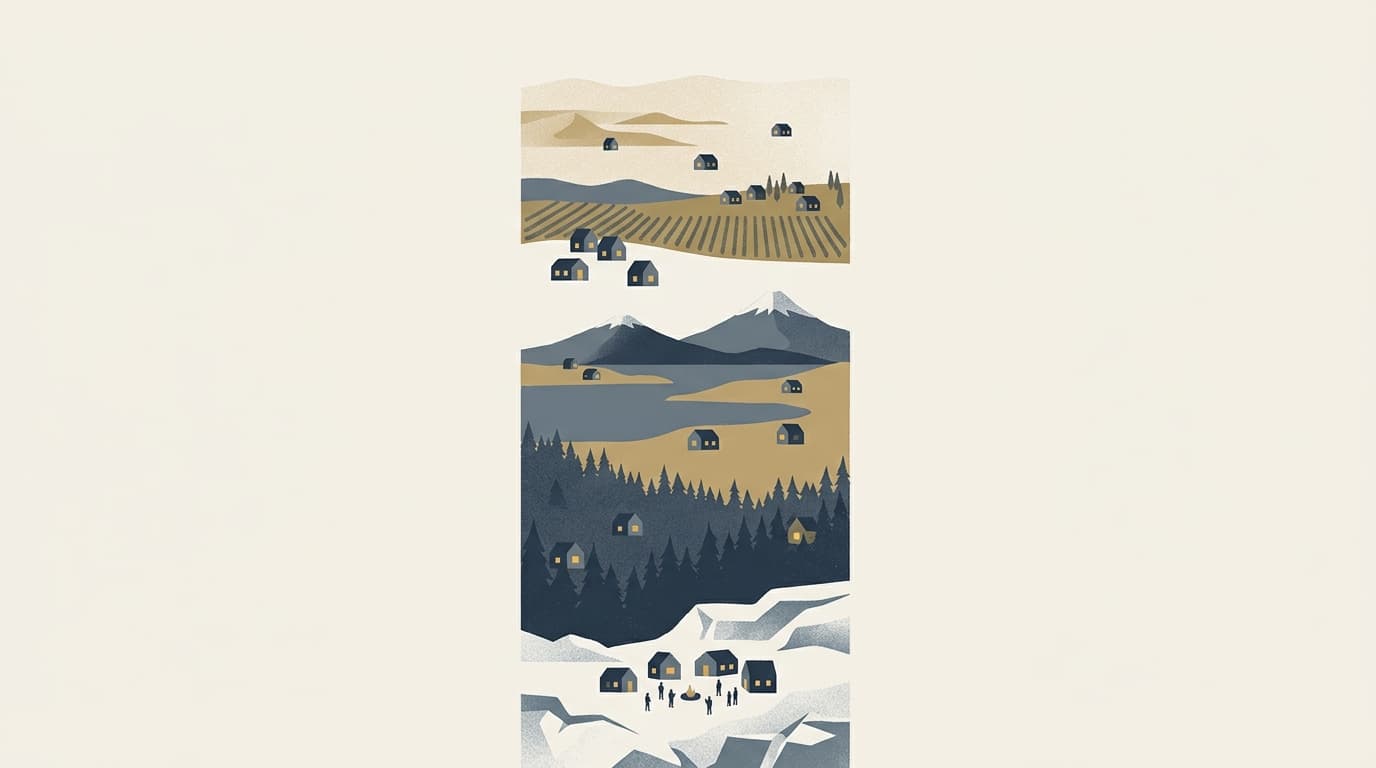
Chile has some of the best small lodges in South America. A glamping site above Lago Llanquihue, a ten-room estancia near Puerto Natales, a family lodge in the Araucanía forests with a 4.9 on Google. Guests who find them love them.
The hard part is finding them. Most never appear in a UK agency's brochure, many have a website only in Spanish, and when a guest leaves, the lodge usually has no way to reach them again.
We wanted to measure how big that gap is, so we mapped every independent lodge we could find in Chile and used AI to read their websites. This is what we learned.
How we did it
We started with 2,893 records from Google Maps, Chilean travel guides, and the published portfolios of UK specialist agencies. The same hotel often appeared several times, sometimes once per room type, so after merging duplicates we had 2,500 unique properties.
Then we filtered. We removed international chains, hostels, campgrounds, motels, places that weren't lodging at all, and properties with a low rating backed by enough reviews to trust it. We protected anything that showed up in a curated guide or agency, and anything calling itself a lodge, glamping site, estancia or boutique hotel. That left 1,397 independent small hotels, lodges and glamping sites from Arica to Tierra del Fuego.
One rule we deliberately did not use was a minimum number of reviews. Many of the best lodges in Patagonia are small, expensive and new, and they barely show up on Google. One of them had zero reviews. A popularity filter would have removed exactly the places we were looking for.
For each property with a website, AI read the site and checked:
- whether you can book online, and with which booking engine
- whether it collects guest emails (signup form, email marketing tool)
- which languages it's written in
- whether it lists a WhatsApp contact
We also checked which properties are sold by five UK specialist agencies that publish their hotel lists.
Finding 1: the product is excellent
53% of the properties are rated 4.7 stars or higher on Google. The median rating is 4.7.
They are also small. Where the website publishes it, the median property has 8 or 9 rooms, and four in five have 20 rooms or fewer. And 39% have fewer than 50 reviews, so most travelers have never heard of them.
Whatever is holding these lodges back, guests who stay at them are happy.
Finding 2: most lodges can take a booking online
76% of the websites we reviewed let you book online. Most lodge owners have taken that first step: they bought a booking engine and put it on their site.
It's a fragmented picture. We counted 49 different booking engines, from Cloudbeds and SiteMinder to small Chilean providers and WordPress plugins.
But a booking engine is only one piece. From the outside we can't see whether a lodge uses a channel manager or a property management system. We can see whether it has the tools to keep in touch with guests, and that's where the picture changes.
Finding 3: guests leave and never hear from the lodge again
This was the finding that surprised us most.
84% of the websites we reviewed collect no guest data at all. No newsletter signup and no email tool. Only 10% use an email marketing tool like Mailchimp or HubSpot.
That means a guest who loved their stay and would come back, or tell three friends, usually gets nothing after checkout. No seasonal offer and no "we just opened a new cabin". For the best-rated properties (4.7 stars and up) it's the same: 82% collect nothing.
A small lodge's best marketing asset is its past guests, and most aren't using it.
Finding 4: the trade sells a few famous places, and the best-rated lodges are elsewhere
International travelers to remote lodges often book through a specialist agency or a local DMC. So we looked at who those agencies sell.
Only 8% of the 1,397 properties are sold by the five UK specialist agencies we tracked, and they are concentrated in very few places. Nearly half the lodges in Torres del Paine and Puerto Natales are sold by these agencies (30 of 67). That one destination accounts for a quarter of all the agency-sold properties in Chile. Add Santiago, San Pedro de Atacama and Puerto Varas, and four destinations make up more than half.
Meanwhile, the destinations with the best-rated lodges are barely sold at all:
| Destination | Lodges rated 4.7★ or higher | Sold by UK specialist agencies |
|---|---|---|
| Cochamó | 85% | 1 of 29 |
| Araucanía Andes (Conguillío, Malalcahuello) | 80% | 0 of 47 |
| Northern Patagonia (Futaleufú, Chaitén, Palena) | 74% | 3 of 41 |
| Chiloé | 71% | 4 of 49 |
| Torres del Paine and Puerto Natales | 40% | 30 of 67 |
Busy destinations collect more reviews from a wider mix of guests, which pulls ratings down, so the lower score in Torres del Paine says little about the quality of its lodges. What the table does show is a trade that keeps selling the places it already knows, while some of the best-rated lodges in the country stay off its radar.
Language is part of the problem: 55% of the websites are only in Spanish. An agent in London or a travel advisor in New York can't easily check the rooms, rates or availability.
One caveat: many Chilean DMCs don't publish their hotel lists, so some of these lodges do work with the trade in ways we can't see. But the pattern is clear. The trade mostly sells the same small set of famous destinations.
What it means
Put together, the picture is consistent. The lodges are excellent, guests are happy, and most can take a booking online. What's missing is almost everything after that: guest data and a way to use it, plus the commercial work around the lodge (rate sheets for agents, English content, relationships with DMCs, fast replies to trade requests, and staying in touch with past guests).
That work takes time and people, and a lodge with nine rooms can't hire a sales team. The owner is also the manager, the host and often the cook.
That's the gap we're building Velaris to fill: acting as the commercial team small lodges can't afford, so they can keep doing what they're already great at.
Let's talk
If you run a lodge in Chile and any of this sounds familiar, we'd love to hear from you. If you're a DMC or travel advisor looking for new product in Chile, we've mapped it. Write to us at francisco@velaris.travel.
Method note: data collected 25-29 September 2026 from public sources. Website findings cover the 765 websites we could review. Agency coverage is limited to five UK specialist agencies and two hotel consortia.
Frequently asked questions
How many independent lodges are there in Chile?
Velaris mapped 1,397 independent small hotels, lodges and glamping sites from Arica to Tierra del Fuego, after merging 2,893 records from Google Maps, Chilean travel guides and UK agency portfolios and removing chains, hostels, campgrounds and motels.
Do small lodges in Chile offer online booking?
Most do. 76% of the 765 lodge websites reviewed let guests book online, using 49 different booking engines.
Do Chilean lodges collect guest emails?
Rarely. 84% of the websites reviewed collect no guest data at all, and only 10% use an email marketing tool such as Mailchimp or HubSpot.
Which Chilean destinations do UK specialist agencies sell?
Mostly a few famous ones. Torres del Paine and Puerto Natales account for a quarter of all agency-sold properties, and together with Santiago, San Pedro de Atacama and Puerto Varas they make up more than half. Only 8% of the 1,397 lodges are sold by the five agencies tracked.
Where are the best-rated lodges in Chile?
In the study, the highest shares of lodges rated 4.7 stars or more were in Cochamó (85%), the Araucanía Andes (80%), Northern Patagonia (74%) and Chiloé (71%), all destinations UK specialist agencies barely sell.

Francisco Escobar
CEO, Velaris
Nearly a decade in luxury hospitality in Chile, most recently Senior Director of Growth at Explora. Writes about how luxury trips in South America get sold, built and run.
Updated Sep 29, 2026
Building in this space?
We're structuring luxury ground travel in South America, one corridor at a time.
Related reading
OpinionSep 22, 20263 min read
Word of Mouth Sells the Trip. Who Takes the Booking?
Most luxury trips start at someone else's dinner table, and while the recommendation goes to the hotel, the booking often goes somewhere else.
IndustrySep 22, 20265 min read
The Future of Booking
Travelers will soon plan trips by talking to an AI, and the value will settle on the ground, far from the chat window.