Who Creates the Value, and Who Keeps It
OpinionSep 22, 2026By Francisco Escobar3 min read
The lodge spends years creating the reason for the trip. Then it hands back about a quarter of the revenue to a chain it can't see into. Why that happens, and why it's starting to change.
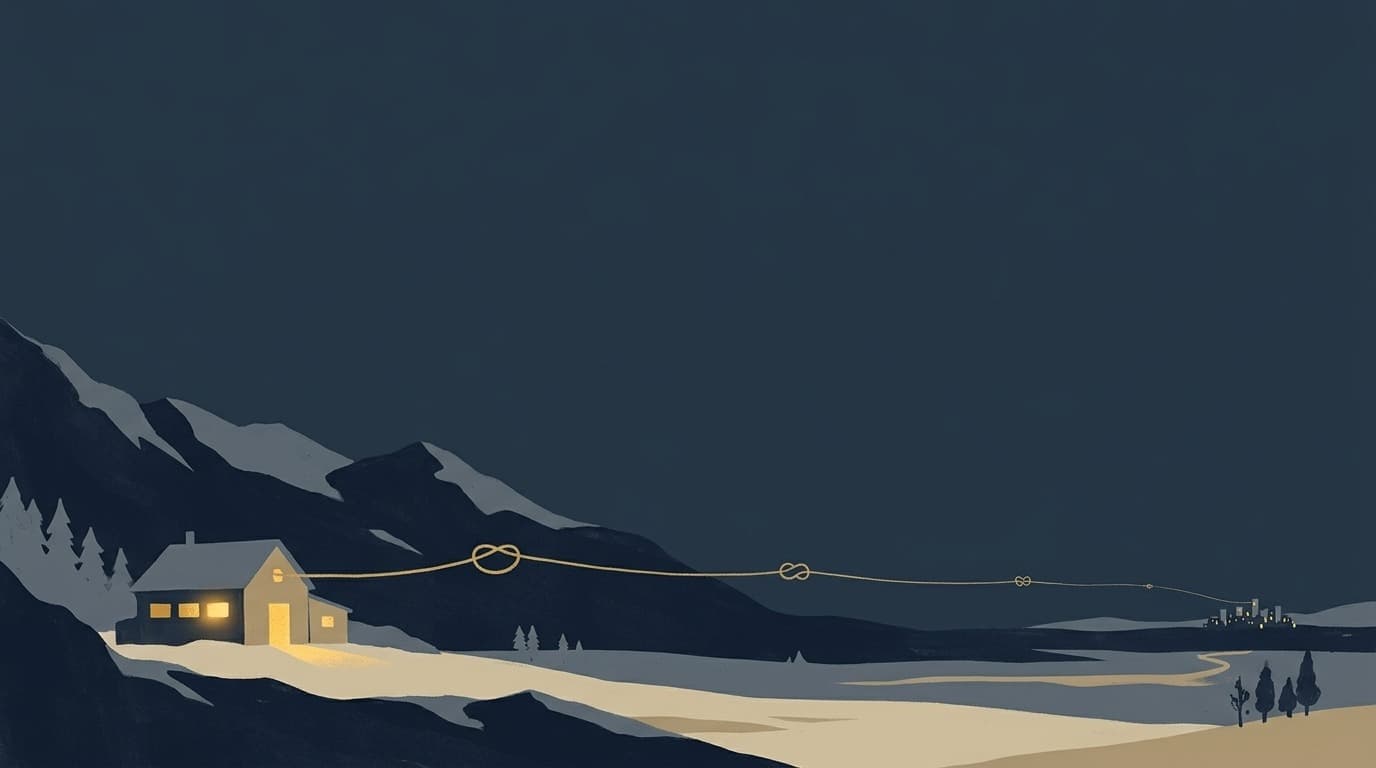
A couple in New York is scrolling on a Sunday night. They stop on a photo: a lodge alone in a Patagonian valley, granite towers behind it, nothing else for miles. Six months later they're there.
Who made that trip happen?
Start with the photo. The lodge paid the photographer. It also paid for the press trip behind the magazine article the couple read two years earlier, the trade shows where their advisor first heard of the place, the sales trips to New York, and years of work turning a valley most people couldn't find on a map into somewhere worth crossing a continent for.
Then the couple books. They don't book with the lodge, because a lodge doesn't sell the flights, the transfers, the guides or the other two stops on the trip. They call their advisor, and the trip passes through a few more hands on its way to Patagonia. By the time the money reaches the lodge, about a quarter of it has stayed behind along the way.
The party that created the reason for the trip keeps the smallest share of it.
The structure behind it
The people in the middle of the chain work hard, and some of what they do is hard to replace. The imbalance comes from a structure, and structures stay in place until something forces them to change.
The hotel carries the marketing budget, the brand risk and the capital. The intermediaries carry little of that, and together they take roughly 25% of what the guest pays. To see why, it helps to look at where the 25% came from.
Where the 25% came from
The commission made sense once.
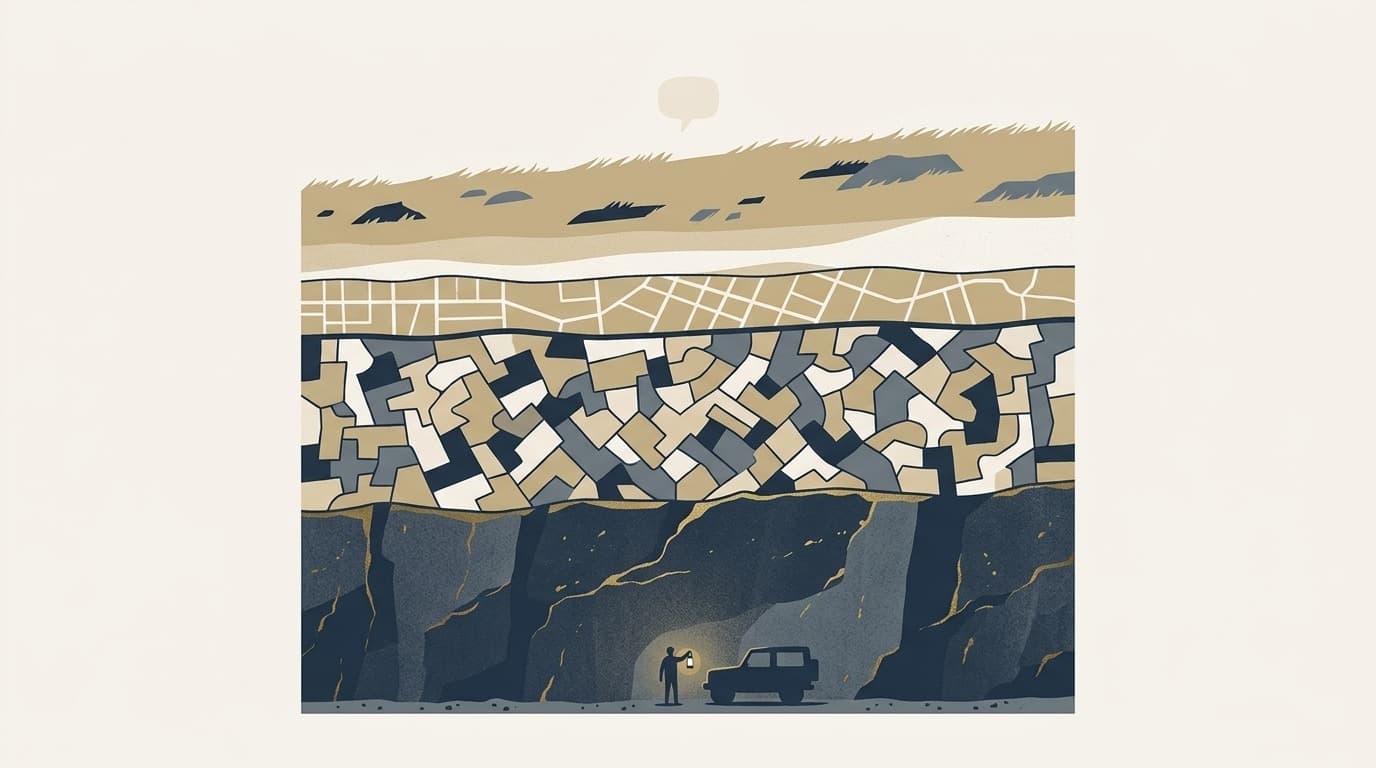
Decades ago, the companies in the middle of the chain earned their share by taking real risk. They bought rooms in advance and guaranteed them, whether or not they sold. They absorbed currency swings. They paid for the whole distribution machine: printed brochures, networks of retail agents, reservation systems. Twenty-five points was the price of someone standing between a remote property and a scattered world of buyers, and carrying the uncertainty in between.
Then, piece by piece, that job shrank. At this level of the market, almost nobody buys rooms in advance anymore. Software replaced the brochures and the reservation systems. The risk that justified the margin moved elsewhere or disappeared.
"But the middle still does real work"
It does. When a flight is cancelled or a supplier fails, a traveler needs a capable person in the destination who picks up the phone and fixes it. That work is real and worth paying for.
It's also a fraction of the job the 25% was designed to pay for. The price was set when the job was much bigger, and the price hasn't shrunk with the job. That gap is the whole story.
Why it's changing now
A gap like this can survive for decades, as long as nobody can see it. The commission worked like plumbing: essential, hidden, never questioned.
That's changing. Advisors increasingly see the commission at the moment of booking, right next to the price. Once people can see a number, they start comparing it, questioning it and working around it.
The next step is tracking who actually brought in each guest. Today a hotel pays the same into the chain whether a link found the guest or only passed the booking along. Once hotels can see who originated a booking, they'll start paying whoever brought the guest.
Where the value goes next
The money will follow the work. Slowly, and without anyone being shamed into it, but it will.
That makes the useful question where the work will be once the gap closes. It comes down to two things: knowing what exists on the ground and how it fits together, and having people who can make a trip work when it meets the real world.
The hotels that can offer guests the whole trip around their stay, the transfers, the guides, the day out in wine country, will be creating value they can finally keep.
Frequently asked questions
Who creates the demand for a luxury trip?
Mostly the property. Remote lodges fund the marketing, the trade roadshows and the press trips that turn a hard-to-find place into a destination people plan a once-in-a-lifetime trip around.
How much do hotels pay to intermediaries on a luxury trip?
Roughly a quarter of the revenue, split among the links between the traveler and the property.
What does the intermediary commission pay for today?
It was priced when intermediaries bought rooms in advance, carried currency risk and paid for printed brochures and retail networks. Much of that work has moved to software. The part that remains, a capable person in destination when something breaks, is valuable and hard to replace.
How will commission transparency change luxury travel?
When the people booking can see the commission, they compare it and route around margins that don't match the work. As tracking improves, hotels will be able to pay whoever brought them the guest instead of paying the same to everyone in line.

Francisco Escobar
CEO, Velaris
Nearly a decade in luxury hospitality in Chile, most recently Senior Director of Growth at Explora. Writes about how luxury trips in South America get sold, built and run.
Updated Sep 22, 2026
Building in this space?
We're structuring luxury ground travel in South America, one corridor at a time.