
The Uber Turn
OpinionSep 23, 2026By Francisco Escobar4 min read
Uber made the driver the hero of its story while building the asset that made any one driver interchangeable, and travel is running a version of the same play.
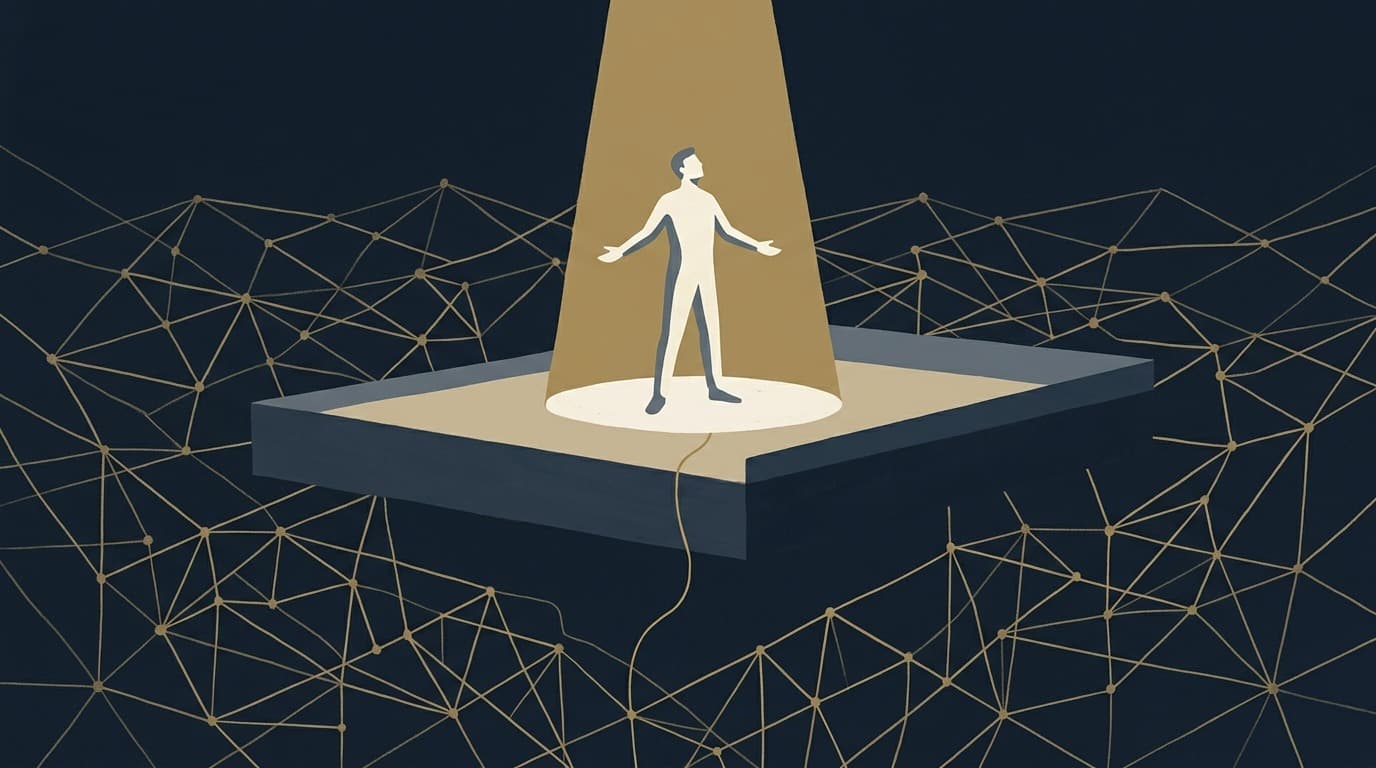
Uber built its pitch around the driver. "Be Your Own Boss" put them at the center of the story, and the slogan did double duty: it was also the legal argument that drivers were independent contractors rather than employees. NPR reported on that in 2017, along with the drivers who did not feel much like their own boss.
Underneath the friendly slogan, Uber spent those years building the asset that made any individual driver interchangeable: the network, the routing, the demand. Once that asset existed, the specific driver stopped mattering. Any driver, same ride.
The endgame, said out loud
Years after "Be Your Own Boss," the company says where this is going. Dara Khosrowshahi has said robotaxis could displace drivers within 10 to 15 years, calling it "a big, big societal question," and that he can imagine the majority of Uber trips being fulfilled by robots of some kind. Uber runs what he calls a hybrid future, humans and machines on one marketplace, while it builds the other side of it: a partnership with Nvidia aimed at deploying over 100,000 robotaxis by 2027, and billions committed to autonomous vehicle partners.
The hero of the recruiting campaign turns out, on the company's own roadmap, to be the bridge to the version that does not need him. First you are the most important person in the room. Then you are interchangeable. Then you are the thing being automated.
The modern advisor platforms are running a version of the same play, whether or not they would put it that way.
The hero of the story
Take Fora, the newest travel unicorn, which raised $60 million at a $1 billion valuation in July 2026 on the back of more than 15,000 advisors. Its stated bet is that AI will make advisors more valuable rather than obsolete. Co-founder Evan Frank frames it as raising the ceiling on what an advisor can do, arguing that expertise, relationships and taste are the hardest things to replicate. The advisor is the hero. Be your own boss.
Follow the money and it goes into Via, an embedded AI assistant, in beta with Fora's top advisors, that handles destination research, supplier knowledge, client itineraries and proposal generation.
That list is worth reading twice. It is the knowledge that used to live in an advisor's head, trip by trip, now structured into the system. Every proposal Via drafts and every itinerary it composes teaches the platform what sells and what a client accepts. An advisor freed to spend more time with clients is also helping build the asset that makes the individual advisor easier to swap out. The promise to augment and the outcome of interchangeability are the same move seen at two different moments.
The turn arrives as a toggle
The shift will arrive as a helpful little option: chat with your advisor, or chat with our assistant. Framed as convenience, as putting the client in control. Most people, most of the time, will tap the instant one.
Nobody gets fired in that story. The humans stop getting picked, one booking at a time, as a default moves under everyone's feet.
The counter-case is real
Phocuswright's research finds that advisors attribute only about 2% of their clients' bookings to price. The rest come for the relationship, the service and the knowledge of the destination. That is a genuine defense, and it explains why good advisors have a strong hand today. A chatbot cannot fake ten years of knowing a family's travel history, and it cannot pick up the phone at 11 p.m. when a flight is cancelled.
Trust also moves across generations. Today's travelers already let an app route them through a city they have never seen. Their children will extend that trust further, to an assistant that books the trip. The moat is real now and thinner each year. The direction looks settled; the speed is the open question.
What holds
The parts of the job a platform can watch and learn are the parts it takes over in the end: research, comparison, formatting, follow-ups. What it cannot absorb by watching is the relationship with the lodge manager who holds a room, the judgment about which supplier to trust in a storm, and the client who asks for a person by name instead of asking the platform.
Travel's version of the robotaxi is an assistant that never needed the advisor in the first place, and it arrives the same way: helpfully, as an option. Advisors who invest in those parts keep their position as the software gets better. Advisors whose value sits in assembly are building someone else's asset, one proposal at a time.
Sources
- NPR, "Uber Drivers Don't Feel Like Their Own Bosses" (2017): npr.org
- Fora, "Fora Announces $60M Series D at $1B Valuation": foratravel.com
- PhocusWire, "Fora lands $60M to scale AI assistant for travel advisors": phocuswire.com
- Phocuswright research on who books with travel advisors, via PhocusWire: phocuswire.com
- Entrepreneur, "Uber's CEO Says Drivers Will Be Replaced By Robotaxis in About 10 Years": entrepreneur.com
- Benzinga, "Uber CEO Sees A 'Hybrid Future' Of Robotaxis And Human Drivers": benzinga.com
- TechCrunch, Uber's autonomous vehicle deal tracker: techcrunch.com
Frequently asked questions
Is AI replacing travel advisors?
Not today. Advisors report that only about 2% of their clients book with them because of price, so the relationship is what holds the business together. The change is slower: platforms are absorbing the knowledge that used to live in the advisor's head.
What did Uber's 'Be Your Own Boss' slogan have to do with drivers' status?
It doubled as a legal argument. Uber cited drivers' desire to be their own boss as evidence they were independent contractors rather than employees, a point NPR reported on in 2017.
What has Uber said about replacing drivers with robotaxis?
Uber's CEO has said robotaxis could displace drivers within 10 to 15 years, calling it a big societal question, and that he can imagine most Uber trips being fulfilled by robots of some kind. Uber describes the period in between as a hybrid network of humans and machines.
What is Fora's Via?
An AI assistant embedded in Fora's platform, in beta with its top advisors, that handles destination research, supplier knowledge, itineraries and proposal generation.
What protects a travel advisor from being made interchangeable?
The things a platform cannot absorb from watching the work: relationships with suppliers on the ground, judgment when a trip breaks, and a client who asks for that advisor by name rather than for the platform.

Francisco Escobar
CEO, Velaris
Nearly a decade in luxury hospitality in Chile, most recently Senior Director of Growth at Explora. Writes about how luxury trips in South America get sold, built and run.
Updated Sep 24, 2026
Building in this space?
We're structuring luxury ground travel in South America, one corridor at a time.
Related reading
IndustrySep 22, 20265 min read
The Future of Booking
Travelers will soon plan trips by talking to an AI, and the value will settle on the ground, far from the chat window.
OpinionSep 22, 20263 min read
Who Creates the Value, and Who Keeps It
The lodge spends years creating the reason for the trip. Then it hands back about a quarter of the revenue to a chain it can't see into. Why that happens, and why it's starting to change.